

Quick Summary
Durable clothing for active girls is built with heavier knits, reinforced stitching at shoulders and cuffs, and fabric blends that balance comfort with strength. Look for double-needle stitching, ribbed cuffs and hems, and a fit that allows movement without bunching. Matching fabric and construction to the activity your daughter does most gives the longest wear.
- Heavier knits resist thinning and pilling better than lightweight jersey.
- Double-needle stitching and ribbed cuffs and hems help clothes recover their shape.
- A cotton-polyester blend fleece holds up to frequent washing better than 100% cotton fleece.
- Choose a size that allows movement without bunching to avoid strain at the seams.
- Wash activewear in cold water inside out and skip high heat in the dryer.
Table of Contents
- What to Look for in Durable Activewear for Active Girls
- Best Fabrics for Kids' Activewear: Cotton, Polyester and Blends
- How to Measure Kids for Clothes Before You Order
- 7 Durable Pieces for Active Girls, Compared
- Best Girls' Leggings for Sports: What to Check Before Buying
- Activity-Specific Durability and Age-Appropriate Wear
- Washing and Repairing Activewear to Extend Its Life
- Choosing Your Girl's Next Durable Piece at VivaSistah
- Frequently Asked Questions
What to Look for in Durable Activewear for Active Girls
Last Updated: November 2, 2026
Active girls wear through clothes faster than almost anyone. Knees scuff, seams get pulled on monkey bars, and hoodies get dragged through soccer practice and the playground. Durable clothing for active girls is built to hold up to that daily wear.
Durability starts with fabric weight and construction. Heavier knits resist thinning and pilling, while reinforced stitching at shoulders, armholes and cuffs keeps seams from giving way under repeated stretching. Look for double-needle stitching and ribbed cuffs and hems, which recover their shape after many wears.
Fit matters for durability too. A piece that is too tight strains at the seams, and one that is too loose catches on equipment. Choose a size that allows movement without bunching.
Watch out: buying a size up to "grow into" can leave a child tripping over hems and wearing out fabric faster on the ground.
Best Fabrics for Kids' Activewear: Cotton, Polyester and Blends
Fabric choice is the single biggest driver of how long a piece of kids' activewear lasts, and the trade-offs are more specific than "cotton is soft, polyester is tough." Here is how the common fibers and blends actually behave under the wear patterns active girls put them through.
Cotton. Soft, breathable and easy on sensitive skin, cotton is comfortable against the body. Its weakness is moisture: cotton absorbs sweat and holds it, so a soaked tee stays heavy and clings, and repeated wet-and-dry cycles plus agitation can stretch necklines and hems out of shape. Ring-spun and combed cottons last longer than open-end cotton because the fibers are aligned and fewer short fibers work their way out as pills.
Polyester. Polyester is hydrophobic, so it moves moisture to the surface where it evaporates instead of soaking in. That makes it the practical choice for high-sweat activity, and it resists shrinking, wrinkling and stretching. The trade-off is that polyester can hold odor, because oils cling to the fiber, and low-quality polyester pills and snags. Look for moisture-wicking finishes and tightly knit or interlock constructions rather than loose, lofty knits.
Blends. Most durable kids' pieces use a blend to balance the two. A cotton-polyester fleece (commonly 50/50) keeps cotton's comfort while polyester adds strength and shape recovery, which is why it holds up through frequent washing better than 100% cotton fleece.
What to check on the label. Fabric weight tells you how substantial a knit is; heavier generally means more durable but warmer. Fiber content tells you the moisture and stretch story. Construction details, double-needle stitching, ribbed cuffs and hems, taped neck and shoulder seams, tell you whether the seams will survive repeated stretching.
Certifications to look for. Third-party certifications are a clear signal that a fabric has been tested for safety and, in some cases, performance:
- OEKO-TEX Standard 100 tests finished textiles for harmful substances and is one of the most common certifications on kids' clothing. It addresses chemical safety, not durability.
- bluesign focuses on resource-efficient and safer production across the supply chain.
- Global Organic Textile Standard (GOTS) certifies organic fiber content and processing for textiles labeled organic.
- GRS (Global Recycled Standard) verifies recycled content, which matters if you are choosing recycled polyester.
None of these certifications guarantee longevity, so treat them as a safety and sourcing check alongside fabric weight and construction.
Sensitive skin. If your daughter reacts to tags and seams, prioritize soft, tightly knit fabrics and check the neck label before you buy.
Watch out: a "soft" fabric is not automatically durable, very lofty, low-density fleece and loosely knit jersey feel great in the store but pill and thin quickly, so check the fabric weight and knit structure before you buy on hand-feel alone.
How to Measure Kids for Clothes Before You Order
Measure your child while she is wearing light clothing. Use a soft tape measure and keep it snug but not tight. Measure chest at the fullest point under the arms, length from the shoulder down to the hem, and sleeve length from the shoulder seam to the wrist.
Compare your numbers to the brand's size chart, not to the size labels on other brands. Sizing varies widely, so a size 10 from one maker can fit very differently from another.
Growing kids often sit between sizes. In that case, size up for length and check that the chest measurement still fits comfortably.
7 Durable Pieces for Active Girls, Compared
Here are seven VivaSistah pieces that suit active girls, with their starting prices in USD.
| Piece | Starting Price | Best For | Key Material |
|---|---|---|---|
| Super Sistah Youth Heavy Blend Hoodie | $47.99 | Cool-weather active days | 50% cotton, 50% polyester |
| Super Sistah Power Backpack | $42.99 | School and sports gear | 100% polyester |
| Chantay "Blue Burst" Heavyweight Youth Tee | $28.99 | Everyday play | 100% ring-spun cotton |
| Super Sistah FTNH Youth Long Sleeve Tee | $34.99 | Layering | 100% Airlume cotton |
| Chantay "Sunburst" Classic Fit Tee | $27.99 | Heavy daily wear | 100% cotton |
| Jade Flowers in Love Youth Crewneck Sweatshirt | $32.99 | Casual wear | 50% cotton, 50% polyester |
| Taya APQ Teen Girls Hoodie | $39.99 | Lightweight layering | 100% ring-spun cotton |
Super Sistah Youth Heavy Blend Hoodie ($47.99): Built for active children, this hoodie uses a front pouch pocket and a double-lined hood. It has no drawcords for child safety. Sizes run XS to XL.
Super Sistah Power Backpack ($42.99): Made from polyester with a water-resistant finish, it has a separate laptop compartment and a 44 lb. weight limit.
Chantay "Blue Burst" Heavyweight Youth Tee ($28.99): A heavyweight ring-spun cotton tee with a garment-dyed finish that softens over time. Its twill-taped shoulders add durability.
Super Sistah Youth Heavy Blend Hoodie →
Super Sistah FTNH Youth Long Sleeve Tee ($34.99): Airlume combed cotton with ribbed cuffs and a regular fit. It works well as a base layer.
Chantay "Sunburst" Classic Fit Tee ($27.99): Pre-shrunk cotton with taped neck and shoulders, a classic fit that holds its shape through frequent washing.
Jade Flowers in Love Youth Crewneck Sweatshirt ($32.99): Air-jet fleece with double-needle stitching at the shoulders, armholes and cuffs. It is OEKO-TEX Standard 100 certified.
Taya APQ Teen Girls Hoodie ($39.99): A relaxed-fit, lightweight hoodie with a jersey-lined hood without drawcords and 1x1 ribbed cuffs.
Best Girls' Leggings for Sports: What to Check Before Buying
Leggings for sports need stretch that recovers, a comfortable waistband and fabric that will not thin at the knees. Look for stretch fabric blends and a flat-seamed construction to reduce chafing during running and jumping.
VivaSistah's current catalog focuses on tops, hoodies and backpacks. If you are shopping for leggings, check the fabric content, the size chart and the care instructions before you buy, and compare them against the activity your daughter does most.
Activity-Specific Durability and Age-Appropriate Wear
Most activewear guides are written for adult women, but girls wear clothes differently: they kneel and crawl on rough surfaces, wash items far more often, and outgrow them mid-season. Because rough play, frequent washing, and growth spurts all test different parts of a garment, choosing durable clothes starts with weighing how each piece will be used and cared for.
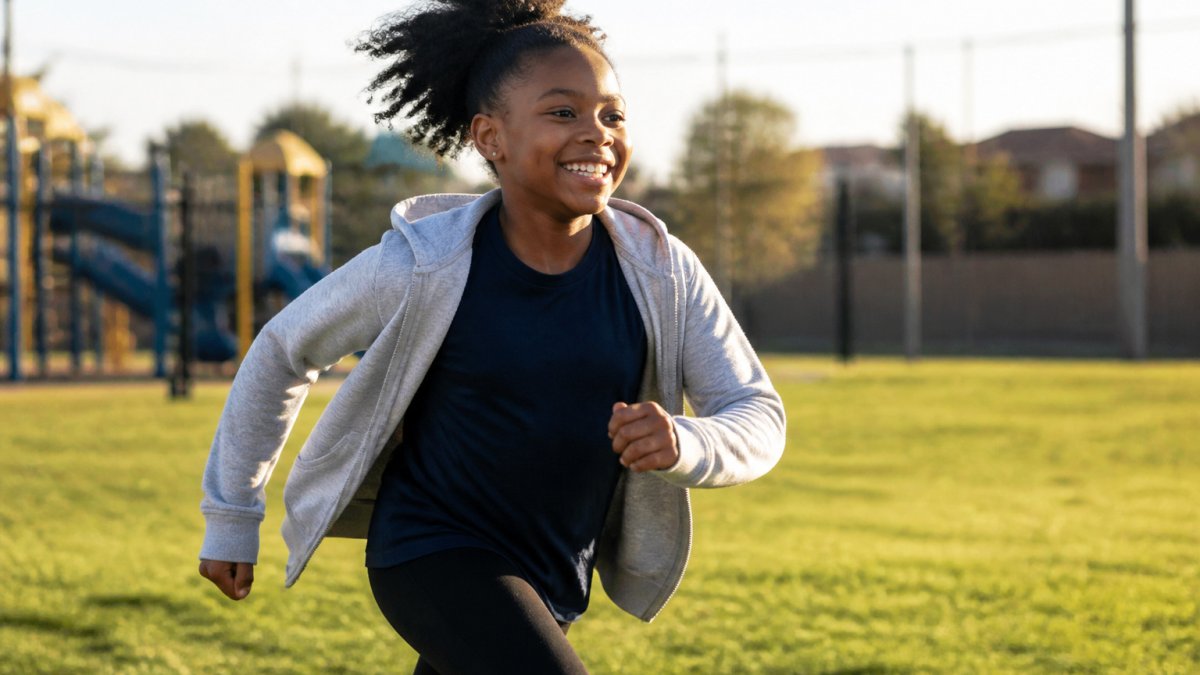
Contact and field sports (soccer, softball, flag football). The enemies here are grass and dirt stains, abrasion from slides and dives, and frequent washing. Prioritize darker colors and prints that hide stains, heavier-weight knits that resist abrasion, and reinforced knees and seats on pants.
Climbing, recess and playground play. Knees, seats and cuffs take the beating. Look for double-needle stitching at stress points, ribbed cuffs and hems that recover their shape, and fabrics with enough spandex to stretch without bagging out. Hoods without drawcords are safer for younger climbers, and flatlock seams reduce chafing under harnesses and backpacks.
Dance, gymnastics and studio classes. Stretch and recovery matter more than abrasion resistance. Fitted pieces need a high elastane content so knees and seats snap back, and flat seams prevent chafing during floor work. Loose tops should not catch on equipment; fitted layers with a bit of stretch work better than oversized hoodies.
Hiking and outdoor play. Sun, brush and variable temperatures call for tightly woven fabrics that resist snags, long sleeves for coverage, and layers that can be added or removed. Moisture-wicking polyester blends dry faster than cotton if a child gets wet, and darker colors hide trail dirt.
School-to-activity transitions. For girls moving from class to practice, lighter layers that layer easily and hold their shape through a school day work best, a midweight hoodie or a heavyweight tee that can go under a jacket.
Age-specific patterns. Younger children (roughly ages 4-8) spend more time on the ground, so prioritize abrasion-resistant knees and seats, soft fabrics against sensitive skin, and hoods without drawcords. They also grow fast, so avoid buying several sizes up, oversized hems drag on the ground and wear out faster.
Growth spurts and hand-me-downs. Because girls outgrow gear before it wears out, durability also means resale and hand-me-down value. Heavier knits, reinforced seams and colorfast dyes survive more wash cycles and more owners, which stretches the cost per wear.
Watch out: buying one "do-everything" outfit usually means compromising on the one activity your daughter does most, a lightweight fashion hoodie will not survive a season of soccer, and a heavy field-sport layer is uncomfortable for studio classes.
Washing and Repairing Activewear to Extend Its Life
Wash activewear in cold water, turn garments inside out, and avoid high heat in the dryer. Heat breaks down elastic and can cause shrinkage. Air drying preserves fabric weight and color.
Check seams and cuffs regularly. A small loose thread can be trimmed or tacked before it becomes a tear. Replace a backpack strap or zipper pull early rather than waiting for failure.
Choosing Your Girl's Next Durable Piece at VivaSistah
Start with how your daughter uses her clothes most, then choose a fabric weight and fit that suit that activity. At VivaSistah, every youth piece lists its materials, sizing and care details so you can compare before you buy. Browse by category to find the hoodie, tee or backpack that fits her best, and shop by category to see the full youth range.
Frequently Asked Questions
What should I look for in durable clothes for active girls?
Look for tight knits, reinforced stitching at shoulders and cuffs, and a fabric weight that holds its shape after repeated washing. Heavier cotton and cotton-polyester blends resist pilling and stretching better than thin jersey. Double-needle stitching and ribbed cuffs and hems also signal construction meant to survive active play. VivaSistah's Super Sistah Youth Heavy Blend Hoodie, at $47.99, lists double-needle stitching, a double-lined hood and 1x1 rib cuffs with spandex for recovery, all features that suit an active child.
Which fabrics hold up best for kids' activewear?
Cotton-polyester blends are the most practical choice for kids who run, climb and play hard. Polyester adds strength and quick drying, while cotton keeps the fabric soft against skin. Heavier weights around 7 to 8 ounces per square yard handle wear better than lightweight single jersey. Garment-dyed cotton, such as the Chantay Blue Burst Heavyweight Youth Tee at $28.99, is a good option when softness and reduced shrinkage matter most.
How do I choose the right size for girls' activewear?
Measure chest, length and sleeve length, then compare those numbers to the brand's size chart rather than the age on the label. Sizes can run differently between styles, so check whether a piece is regular or relaxed fit. Allow a little room for growth on outerwear, but avoid oversized pieces for active play because loose fabric catches and wears faster. VivaSistah lists sizes in both inches and centimeters on each product page.
How should I wash kids' activewear to make it last longer?
Wash in cold or warm water on a gentle cycle, turn pieces inside out, and skip fabric softener, which can reduce moisture-wicking performance. Avoid high heat in the dryer, since heat shrinks cotton and breaks down elastic in cuffs and waistbands. Air drying extends the life of fleece and printed designs. Following the care label on each garment prevents most early wear.
