

Quick Summary
Buying from black owned clothing brands keeps spending and jobs circulating in local communities, and it gives your daughter clothing that reflects her identity and heritage. The benefit grows with repeated support over time, not a single purchase. Verify ownership first, then judge products on fit, quality and durability.
- Each purchase becomes revenue that can fund payroll, local suppliers, rent and marketing.
- Growing brands may add local roles like sewing support, photography, shipping and customer service.
- Verify ownership through about pages, founder interviews, directories and direct questions.
- Check current ownership, since a brand can stop being Black-owned after a sale or investment.
- Judge clothing on fabric, sizing and durability, just as you would with any other brand.
Table of Contents
- Why Buying From Black-Owned Businesses Matters Beyond the Purchase
- The Economic Impact of Black-Owned Businesses on Families and Neighborhoods
- Benefit 1: Keeping Spending and Jobs Circulating in Your Community
- How to Find and Verify Black-Owned Businesses Before You Buy
- Black-Owned Clothing Brands Worth Knowing: Quality, Fit, and Durability
- Benefit 2: Representation and Pride in What Your Daughter Wears
- Choosing Your First VivaSistah Piece for Your Little Star
- Frequently Asked Questions
Why Buying From Black-Owned Businesses Matters Beyond the Purchase
Choosing a black owned clothing brand for your daughter is a small decision with a wider reach. Every order sends money to a business owner, and that business may hire, buy from local suppliers and reinvest in its community. At VivaSistah, we build superhero-inspired clothing for young Black girls. Many parents tell us the purchase feels like a statement about the world they want their daughters to grow up in.
Buying from black owned businesses also gives your daughter something to see and learn. She sees a brand built by people who look like her, telling stories that include her. That matters for a child who is still deciding how she sees herself.
The Economic Impact of Black-Owned Businesses on Families and Neighborhoods
Most articles on this topic stop at the phrase "closing the racial wealth gap." The more useful question is how a purchase turns into family wealth, neighborhood spending, and jobs, and where that chain is strong versus fragile.
The mechanism, step by step. When you buy from a Black-owned business, the money first becomes revenue. From there it splits into a few buckets: payroll, inventory and supplies, rent, marketing, taxes, and owner profit. The community impact depends on how much of each bucket stays local. A brand that pays local staff and buys from nearby suppliers recirculates more per dollar than one that outsources production and fulfillment. That is why two businesses with identical revenue can have very different local footprints.
Family and generational wealth. Business ownership is one of the few paths where income can be reinvested rather than only spent. Owner profit can fund expansion, be saved, or support education and a next generation of ownership.
Jobs and income. Growing businesses hire in stages: customer service and shipping first, then production or design, then management. Each stage adds roles that can be filled locally. The limit is that small brands often cannot hire full-time until revenue is steady, so job creation lags sales by months or years.
Local economies and access. Black-owned businesses often serve neighborhoods with fewer retail options, which means a new or growing shop can reduce the distance families travel for goods and services. That access benefit is real but uneven, it depends on the sector. A clothing brand ships nationally and may have little local footprint; a bookstore, salon, or grocery has a much larger one.
What the evidence can and cannot show. Public data on Black-owned business ownership is limited, and most studies track revenue or employment rather than long-term family outcomes. Research can show that customer engagement and spending correlate with business performance, but correlation is not causation, a business may grow for reasons unrelated to a support campaign. Treat broad claims about wealth and jobs as directional rather than precise, and look for the specific mechanism (payroll, local suppliers, repeat customers) when you evaluate a claim.
How to measure impact in practice. If you want to know whether your spending matters, ask a business three questions: How many people does it employ, and are they local? Where does it buy supplies? Does it have repeat customers? Those answers tell you more about impact than any slogan.
Benefit 1: Keeping Spending and Jobs Circulating in Your Community
The first benefit is the one most people picture: money stays in the community longer. When you buy from a Black-owned business, that business is more likely to spend locally on rent, payroll and services. That spending can support other local owners, who then spend in turn. This cycle of reinvestment strengthens the entire neighborhood economy, creating a ripple effect that extends well beyond the initial transaction when supporting local boutiques.
Jobs follow the same pattern. A growing brand may need sewing support, photographers, shipping help or customer service staff. Some of those roles can be filled locally, especially as the business grows.
Keep the limits in mind. A single purchase will not transform a neighborhood. The benefit comes from repeated support over time, from many customers making similar choices.
How to Find and Verify Black-Owned Businesses Before You Buy
Most guides tell you why to support Black-owned businesses and stop there. This section covers the part they skip: how to find businesses, confirm ownership claims, judge products on their merits, and keep supporting them after the first purchase.
Finding businesses. Start with directories and communities that curate Black-owned brands, national lists, local chambers of commerce, and social media roundups are common starting points. Search engines work better with specific phrasing: try the product category plus "Black-owned" (for example, "Black-owned backpack brand") rather than the generic phrase alone. Local farmers markets, pop-ups, and community events are often the fastest way to meet owners directly.
Verifying ownership. Ownership claims vary, so check more than one source:
- About and founder pages. Look for a clear statement of who founded the business and why.
- Founder interviews and press. News coverage and podcast appearances usually confirm ownership.
- Directories and certifications. Some organizations maintain verified lists, and some certifications apply to specific ownership structures.
- Reviews and social profiles. Real customers often describe the owner's day-to-day involvement.
- Ask directly. A reputable owner will answer a straightforward ownership question.
Watch out: a brand can be Black-founded but no longer Black-owned after a sale or investment, so check the current ownership structure rather than the origin story alone.
Judging products on their merits. Support does not require lowering your standards. Compare price, quality, fit, durability, shipping time, and return policy the same way you would with any brand. A balanced approach, choosing products that work for your family, is more sustainable than buying on identity alone, and it keeps you coming back.
Supporting beyond the purchase. The impact gap between one-time buyers and loyal customers is large. Practical ways to go further:
- Referrals. Tell friends and family when a product works.
- Reviews. Leave specific, honest reviews, they help small brands more than large ones.
- Repeat purchases. Buying again is worth more than a single first order.
- Supplier relationships. If you run a business, consider Black-owned vendors for services you already buy.
- Community partnerships. Schools, churches, and local organizations can invite owners to events or stock their products.
Inclusive support. Anyone can support Black-owned businesses, customers, organizations, and procurement teams alike. The respectful approach is to treat owners as businesspeople first, judge products on quality, and support consistently rather than as a one-time gesture.
Black-Owned Clothing Brands Worth Knowing: Quality, Fit, and Durability
Once you have confirmed ownership, judge the clothing on its merits. Parents shopping for daughters usually care most about comfort, fit and durability. Ask:
- What fabric is used, and is it comfortable for everyday wear?
- How do the sizes run, and does the brand publish a size guide?
- How does the piece hold up after repeated washing and active play?
The Super Sistah backpacks are made from 100% polyester with a water-resistant material, and they include a dedicated compartment for a 15-inch laptop. The Super Sistah Mod Backpack is listed at $43.99, the Super Sistah Power Backpack at $42.99 and the Super Sistah Hearts Logo Backpack at $45.99. Check each product's listing for the full specifications before you buy.
The backpack listings give these specifics for comparing options:
| Product | Price | Key specification |
|---|---|---|
| Super Sistah Mod Backpack | $43.99 | 100% polyester, water-resistant material |
| Super Sistah Power Backpack | $42.99 | 100% polyester, water-resistant material |
| Super Sistah Hearts Logo Backpack | $45.99 | 100% polyester, water-resistant material |
| Super Sistah backpacks (all) | Varies by model | Dedicated compartment for a 15-inch laptop |
Benefit 2: Representation and Pride in What Your Daughter Wears
The second benefit is personal. Clothing is one of the most visible ways a child expresses identity. When a daughter wears a design that celebrates her strength and heritage, she gets a daily reminder of who she is.
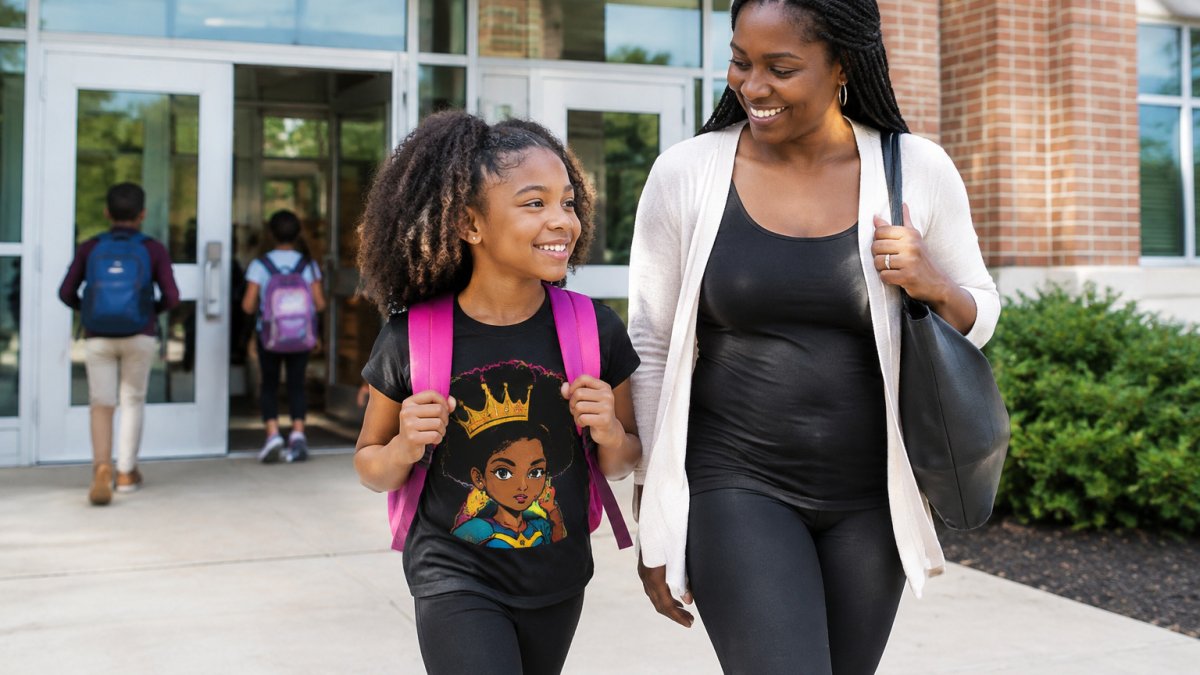
Representation matters to many families, and choosing brands that center Black girls is one way to act on that.
Choosing Your First VivaSistah Piece for Your Little Star
If you are ready to choose your first piece, start with the item your daughter will use most. A backpack is a practical choice for school, and it carries well for everyday use.
Before you order, check the size guide and product details, and contact us with any sizing or order questions. You can also browse our best Black-owned clothing brands for girls guide to compare options, or read whether VivaSistah and Coco'Pie are really alternatives to see how our pieces compare. For active kids, our guide to durable clothing brands for active girls covers durability in more detail.
Last Updated: November 5, 2026
Frequently Asked Questions
Why is supporting Black-owned businesses important?
Buying from Black-owned businesses keeps spending inside communities that have historically faced limited access to capital and markets. Owners often reinvest revenue locally, hire neighbors, and build family income that can be passed down over generations. Supporting these businesses also helps narrow the racial wealth gap over time, because business ownership is one of the most direct routes to wealth building. Each purchase contributes to that cycle, not only the single transaction.
How can I find authentic Black-owned brands?
Start by checking the brand's own website or social media for a clear description of ownership, founder background, and where the company is based. Look for transparent details about production, materials, and customer service, since established owners usually share them openly. Cross-check claims by searching for independent reviews from other parents and by reading the About page. Be cautious of brands that use cultural language without showing who runs the business or how products are made.
Are the prices for VivaSistah clothing worth it compared to big retailers?
VivaSistah pieces are priced to reflect premium materials and culturally specific design. The Super Sistah Mod Backpack is $43.99, the Super Sistah Power Backpack is $42.99, the Super Sistah Hearts Logo Backpack is $45.99, and the Super Sistah Hearts & Stars iPhone Case is $27.99. Every price is listed on the product page, and the backpacks include a water-resistant shell, a dedicated 15-inch laptop compartment, and padded ergonomic straps. Compare those features, not just the sticker price, when deciding.
